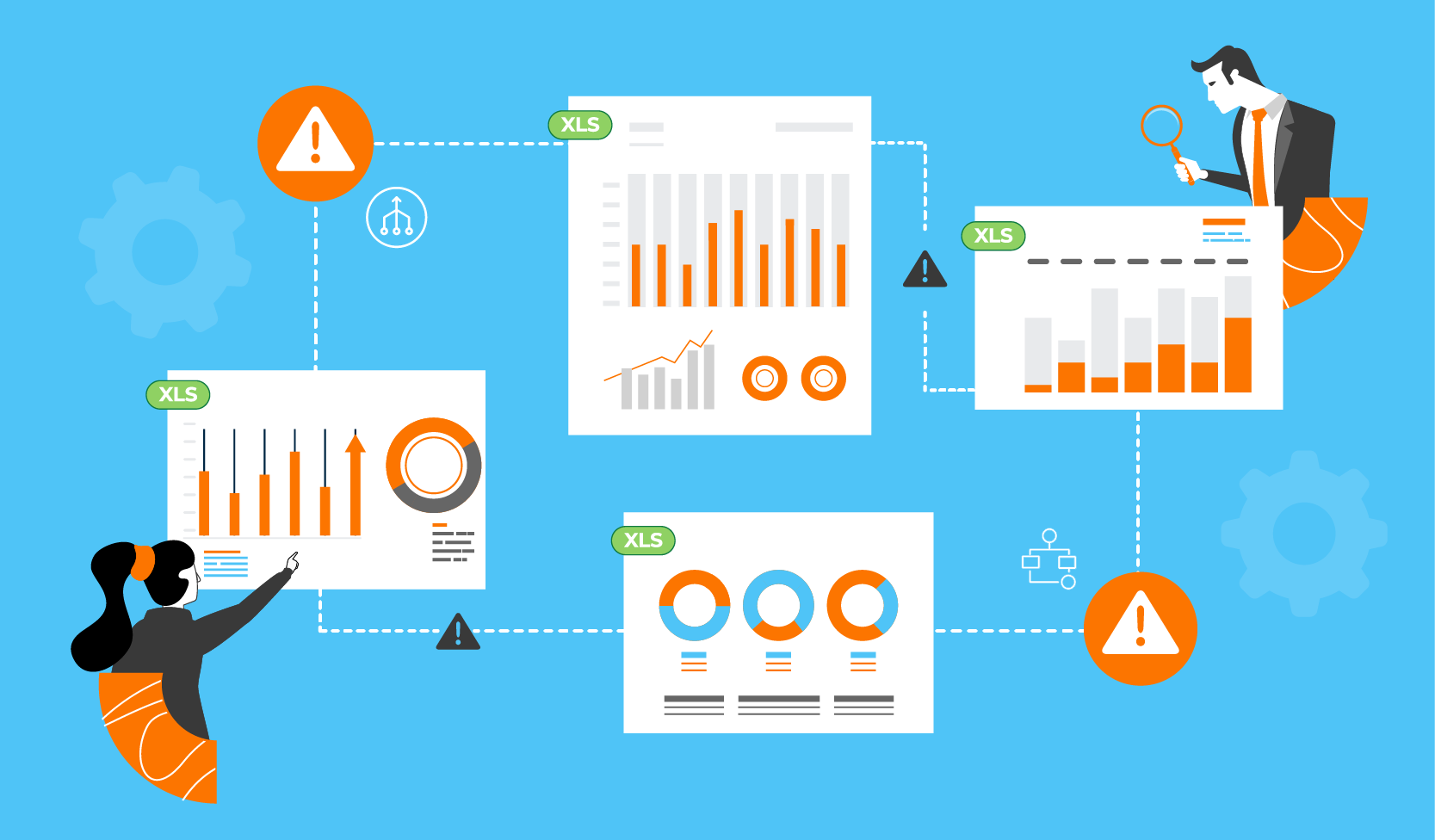



AI-Driven Forecasting: How CFOs Can Forecast Revenue With Precision
Given today’s unstable financial landscape, old methods of forecast revenue seems outdated. Lagging indicators, static models, and siloed sources of data create a separation between projections and reality. AI-driven forecasting has become a game-changer for CFOs increasingly pressured to deliver predictable cash flows, support strategic growth, and confidently advise boards.
This blog extracts details on how CFOs are utilizing artificial intelligence (AI) in PSA (Professional Services Automation) tools to deliver real-time, accurate and actionable revenue forecasting. It also describes strategic considerations, process models, and role-based responsibilities throughout the organization.
Traditional Forecasting Models: Shortfalls
Traditional financial forecasts are built on linear regressions, historical averages, gut-driven adjustments. These models fail to:
- Adapt to rapid changes in the market and global economy
- Record intricate relationships between departments (HR, sales, delivery)
- Actively flex as project sizes, durations and resource assignments vary
- Mirror live usage, chargeable hours or delivery threats
The result? Reactive financial planning, revenue leak, and strategic misalignment.
Why We Care About Machine Predictions in 2025
1. Complexity of Service-Driven Revenue
For services-driven businesses, it is revenue, which is closely associated with resource availability, skills alignment, delivery dates and change requests. The fact that the world is ever changing means that we need models which are non-stationary and change over time.
2. Pressure to Predict Accurately
Boardrooms, shareholders, and private equity investors want dependable, data-driven forecasts based on today’s parameters—not yesterday’s presumptions.
3. The Data Is Already There
Most companies are already collecting rich data through HRMS, CRM, project management, and billing systems. AI connects the dots and learns patterns from historic data and then surfaces signals that improve revenue accuracy.
AI-Based Revenue Forecasting, In Practice
A. Real-Time Data Ingestion
Artificial Intelligence (AI) models at work within PSA platforms are constantly ingesting:
- Timesheet and utilization data
- Resource availability and pipeline forecasts
- Sales funnel progression
- Project milestone completion
- Historical billing behavior
B. Pattern Recognition in Machine Learning
The system spots trends that might elude humans:
- Seasonality in client billing cycles
- Non-survivor rate is higher in ABOi-OC at D1 and WD than that in ABOc?Abstract 641?
- The acceleration of complex project burn rates
C. Predictive Revenue Modeling
AI uses scenario modeling to predict future revenue:
- Depending on staffing matrix and project timings
- Normalized for overtime trends, attrition risk, or deal push outs
- Improved with every new input or cut-off age
D. Role-Based Dashboards
CFOs, PMs, and finance teams get:
- Forecast vs. actual variance tracking
- Risk flags (e.g. under utilized teams, overdue invoices)
- Delivery and Resource based income curves
The Strategic Payoff for CFOs
1. Confident Boardroom Reporting
No longer will you need to scramble to make last-minute Excel edits. "AI forecasting gives you defendable and traceable revenue forecasts that match the operations of your business."
2. Proactive Cash Flow Management
The finance team is no longer surprised when revenue falls. Instead, AI forecasting provides early-warning indications, allowing for improved treasury, hiring and cost-control decisions.
3. Alignment with Delivery and Sales
CFOs are making integrators of themselves connecting sales pipeline to project delivery and staffing. Forecasts are predicated not only on pipeline probability but also delivery readiness.
4. Margin Preservation
AI flags the early warning signs of overburn, underbilling or resource misalignment—protecting project profitability.
Role-Based Impact: Beyond the CFO
Project Managers:
- Are able to modify delivery dates or resourcing plans during forecasts of revenue compression.
Resource Managers:
- Utilize forecasting to match the bench talent to future billable work, leading to better utilization.
Sales Teams:
- Learn which deals affect revenue timing the most, and optimize pipeline targeting and qualification.
COOs:
- Use forecast trends to rationalise delivery models, re-allocate resources and mitigate the execution risk.
From responsive to pre-emptive: Using AI to predict the future
Step 1: Concentrate Data in a PSA Solution
Allones publicités In all cases, the first and most important step to manage a PSA environment is getting data in one place.
- Begin with merging HR, financial and project data into a unified PSA solution.
2 Define the Revenue Attribution Logic
- Explain the relationship of revenue to project status, roles, billable time and change orders. Tailor rules according to client or contract category.
Step 3: Train the AI Model
- Input historical project, billing, and staffing AE information into the model. Fine-tune based on business-specific KPIs.
Step 4: Run Forecast Scenarios
- Look at optimistic, pessimistic and moderate estimates of revenue. See how resource churn, new wins, or delivery delays affects you.
Step 5: Review, Adjust, Repeat
- Predicting is not a push-button and wait activity. Update your models often and compare against actual results to make them more accurate.
KPIs That Matter for AI Forecasting
- Accuracy of Forecast (% deviation from actuals)
- Days Sales Outstanding (DSO)
- Revenue per Resource (FTE)
- Utilization-to-Revenue Conversion Rate
- Forecast Variance by Project/Client
- Gap to Forecast to Go – (Based on Milestone Delinquency)
Mistakes to avoid
- Excessive dependence on past data: Your AI is only as good as the data it has eaten. Ensure the model can take real-time inputs.
- Excluding Non-Billable Hours: A lot of projections don’t include some consideration of training, vacation or admin that impinges availability.
- “Siloed” Implementation: AI forecasting should involve input from sales, delivery, HR, finance (and not just the CFO’s team).
- Deficiency of feedback loops: Forecasting precision becomes better with repetition. Cultivate processes to update models on a monthly basis.
Strategic Planning As A Competitive Advantage
Companies adept at AI-driven forecasting are no longer playing catch-up. They:
- Get better clients by acting like an adult in delivery and planning
- Maniacure cash with better precision, not barrowing and burn
- Restore confidence among stakeholders by doing what you said you would do
- Smarter hiring, M&A and new geographies bets Make better bets than founder and new investors on hiring, M&A and new geographies
From 2025, precision foresight won’t be about finance; that will only be the starting point.
Conclusions: The CFO as the facilitator of Anticipatory Intelligence
AI-powered forecasting shifts the role of the CFO. Strategic insight– Not confined to looking to the past for answers, CFOs can now look ahead to create the future, leveraging predictive insights to drive execution, protect margins, and align the enterprise.
When CFOs connect PSA with machine learning, they take their seats at the core of business strategy. And in an economy of all volatility, those who predict accurately will govern.”
If you’re trying to cut out revenue leakage, clear up margin visibility, and empower the boardroom, AI-driven forecasting is not a choice anymore. It's essential.