


Cross-Module AI: How Unified Platforms Break Workflow Silos
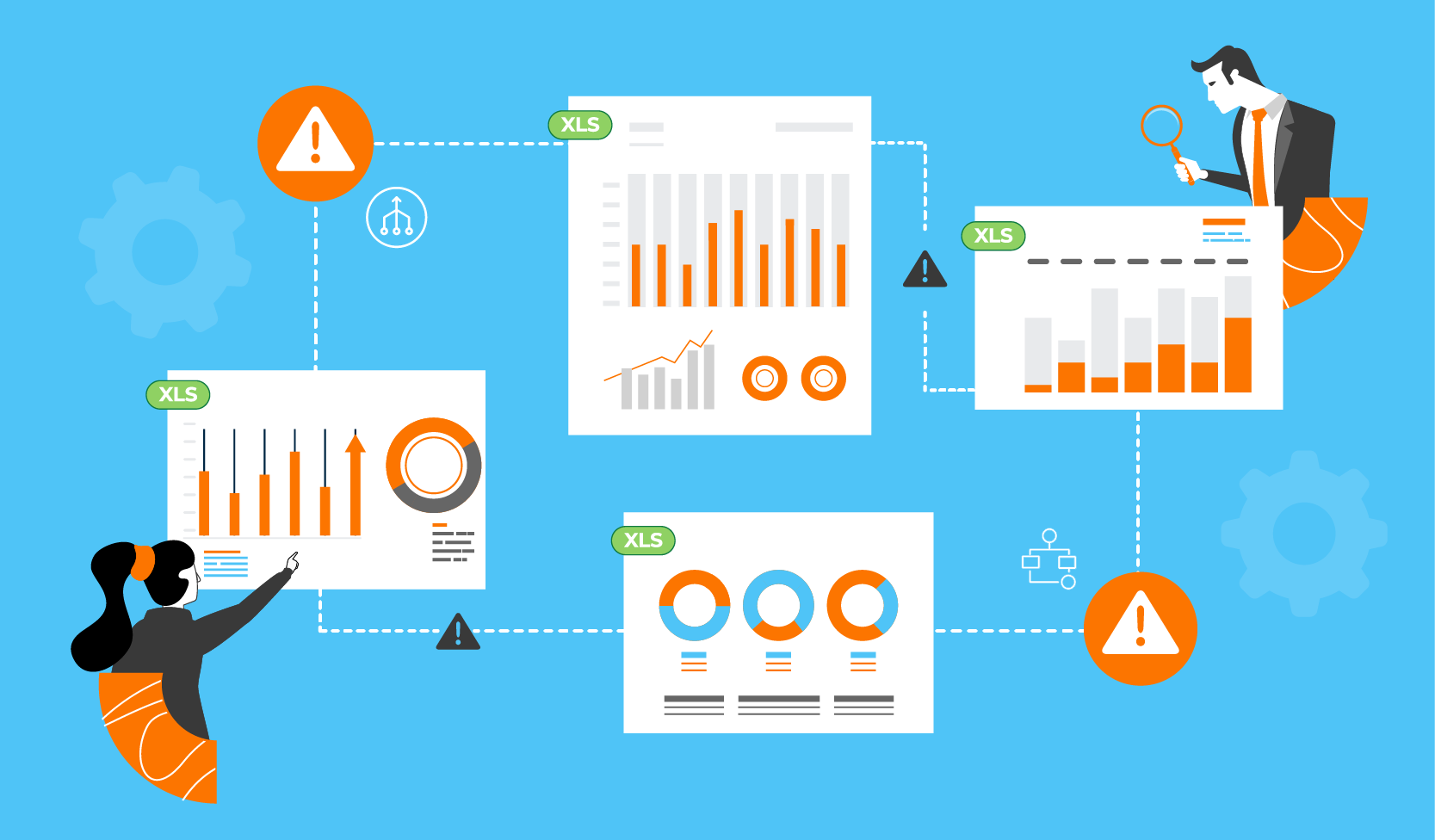
Functional silos are not just an organizational inconvenience in the modern enterprise. They are productivity time sinks, generators of duplicated work, and significant contributors to an organization’s lack of efficiency. Although automation and digital have made individual departments more effective, organizations battle a fragmented landscape of HR tools, billing platforms, project management solutions and reporting dashboards.
That’s where Cross-Module AI, a part of Unified PSA (Professional Services Automation) Platforms, comes in — not just as an enabler, but a transformative agent that will break apart siloed processes. By infusing artificial intelligence into connected business modules, businesses unleash smarter, faster and more purposeful workflows that help every team member — from HR and Finance to Project Managers and the C-Suite — transform the way they work.
The Cost of Fragmented Systems
Before we can delve into how AI fixes fragmentation, however, it's important for you to understand what siloed systems are costing your business:
- Procrastinated Decisions: In siloed data, leaders make decisions based on old indicators or by consolidating manually.
- Reduplicate work: Teams end up repeating much of the work because of lack of visibility across the departments.
- Disconnected KPIs: Metrics that are monitored in silos have nothing in common as a result, and it is hard to measure against organizational goals.
- Poor Employee Productivity: Multiple systems cause loss of context and drop in morale.
It’s a matter of business value — businesses cannot operate in silos if they want to scale efficiently and compete in this hyper dynamic market.
Enter Cross-Module AI: What it means in reality
Cross-Module AI means that AI algorithms and models work across wire-business modules, not in silosystems. For PSA platforms, this means:
- AI isn’t just predicting project timelines; it is even doing predictive analysis on hiring needs in HRMS.
- It not only automates the billing process, it helps us to get the most out of our resources for each project.
- It links project delays to timesheet anomalies, skill imbalances and even the sentiment scores of workers.
In other words, AI is the strategic platform sitting on top of all major business functions, delivering shared intelligence across all.
Practical Impacts of Cross-Module AI
1. Intelligent Resource Forecasting
By looking beyond the past, and not just basing decisions on history, cross-module AI considers the upcoming project scopes, resource availability, skilling gaps, and even burnout risks to predict resource needs more accurately.
Strategic Implications: Don’t over-hire – or fail to make the most-effective use – of key employees. CFOs and CHROs can work together on headcount planning supported by predictive accuracy.
2. Intelligent Billing Tied to Delivery Performance
Inter-modular AI Join the PMS module with the Billing module to analyses:
- Billable vs. non-billable hours
- Missed milestones and their monetary costs
- Outcome-based invoicing triggers
Strategic Impact: Finance Team shifts from reactive invoicing to proactive revenue forecasting, increasing DSO (Days Sales Outstanding) and liquidity.
3. Dynamic Workflow Adjustments
Inefficiency detection AI matches data between modules to flag inefficiencies. For example:
- Timesheet discrepancies might be red flags for a project delay on the horizon.
- As a result, employee churn behavior could lead to proactive onboarding processes.
- Explosions in the budget occur when you oversubscribe resources or get the order of tasks wrong.
Strategic Implication: COOs and project managers receive notification before risks becomes escalations; improving delivery metrics and client satisfaction.
4. Unified KPI Tracking
Legacy performance KPIs are all over the place among units. Cross-module AI allows for standardized KPIs across organisational application domains:
- Resource Utilization
- Revenue per FTE
- Project ROI
- Attrition-linked project delays
Strategic Focus: CEOs and Boards see a 360-degree view of enterprise health in one dashboard to make faster, more assured decisions.
5. AI-Powered Scenario Modeling
Imagine assessing the impact of:
- Delaying a key hire
- Losing a major client
- Launching a new geography
Cross-module AI (artificial intelligence) creates these scenarios based on common data from HRMS, PMS, RM and Financials.
Strategic Implication: Scenario planning will now be proactive and data rich enabling the C-suite to test strategies before executing them.
Who Benefits and How
CFO
- Predicts revenue by matching resource availability with pipeline visibility.
- Maximizes headcount investments by aligning the cost of HR with project margins.
CHRO
- Delivery demand-driven staffing plans.
- Leverages sentiment, utilization and feedback data to enhance retention.
COO
- Improves operations with suggested workflows powered by artificial intelligence.
- Predicts delivery bottlenecks early with the help of predictive analytics.
Project Manager
- Allocates resources more effectively.
- Prioritizes tasks using cross-functional insights.
CEO
- Gains board-level visibility into how strategy matches with capacity.
- Leverages real-time data to make go/no-go decisions on new initiatives quicker.
From reactive to independent: The PSA path
Integrated PSA platforms with embedded Cross-Module AI are advancing from automation to autonomy:
- Rule based work flows, Static reports
- Anticipatory Intelligence: Al-enabled alerts, trend predictions
- System-executed actions such as self-service reprioritization, onboarding requests, invoice scheduling
By infusing AI in the core of each business module, PSA systems transform into an autonomous nerve center for the business.
Metrics That Matter: AI-Optimized KPIs
- Resource Allocation Efficiency: % rate of Ideal Skill-Resource Fit in Projects
- Forecast Variance: The difference between when products are forecasted to be delivered and when they are actually delivered.
- Revenue Predictability Index: Confidence score that uses project + resource data
- Correlation Utilization vs. Satisfaction: Find a balance between productivity and wellbeing employees
- Time-to-Value for Hires: Time until they’re contributing dollars realized as a result of their work (Source)
Challenges in Cross-Module AI Implementation
- Data Consistency: Centralised solutions work best with consistent, uniform data entering.
- Change Management: The move to AI-based decisions requires a cultural shift.
- Too Much Dependence on AI: For paramount judgment calls, human judgment remains necessary.
- Security & Compliance: The AI must adhere to role-based access, privacy, and auditability.
Clarity in governance frameworks and aligned leadership is essential for taking on these challenges.
Conclusion: Bringing It All Together… and Making It Matter for Business
Cross-Module AI in PSA platforms is not just the next level of efficiency. It is a competitive edge that makes workflows become intelligent, reactive systems. The businesses that will succeed in 2025 and beyond won’t be those with the most data — they’ll be those that use connected intelligence to transform that data into insight, foresight and actions that drive results.
Unified PSA is the future of business operations—and Cross-Module AI is the intelligence that powers that future.
Because when information flows seamlessly through every function, decision making is easier, outcomes are better, and everyone is more connected.