

.webp)
Centralized Dashboards: The Overlooked Hero of Business Efficiency
In today’s fast-paced business landscape, data is everything. Organizations generate massive amounts of information daily—from sales figures and employee performance metrics to project timelines and resource utilization. However, having data isn’t enough; businesses need a way to make sense of it in real time.
Enter centralized dashboards, the unsung heroes of business efficiency. These dashboards provide a unified view of key metrics, eliminating silos, reducing decision-making delays, and offering real-time insights that drive growth.
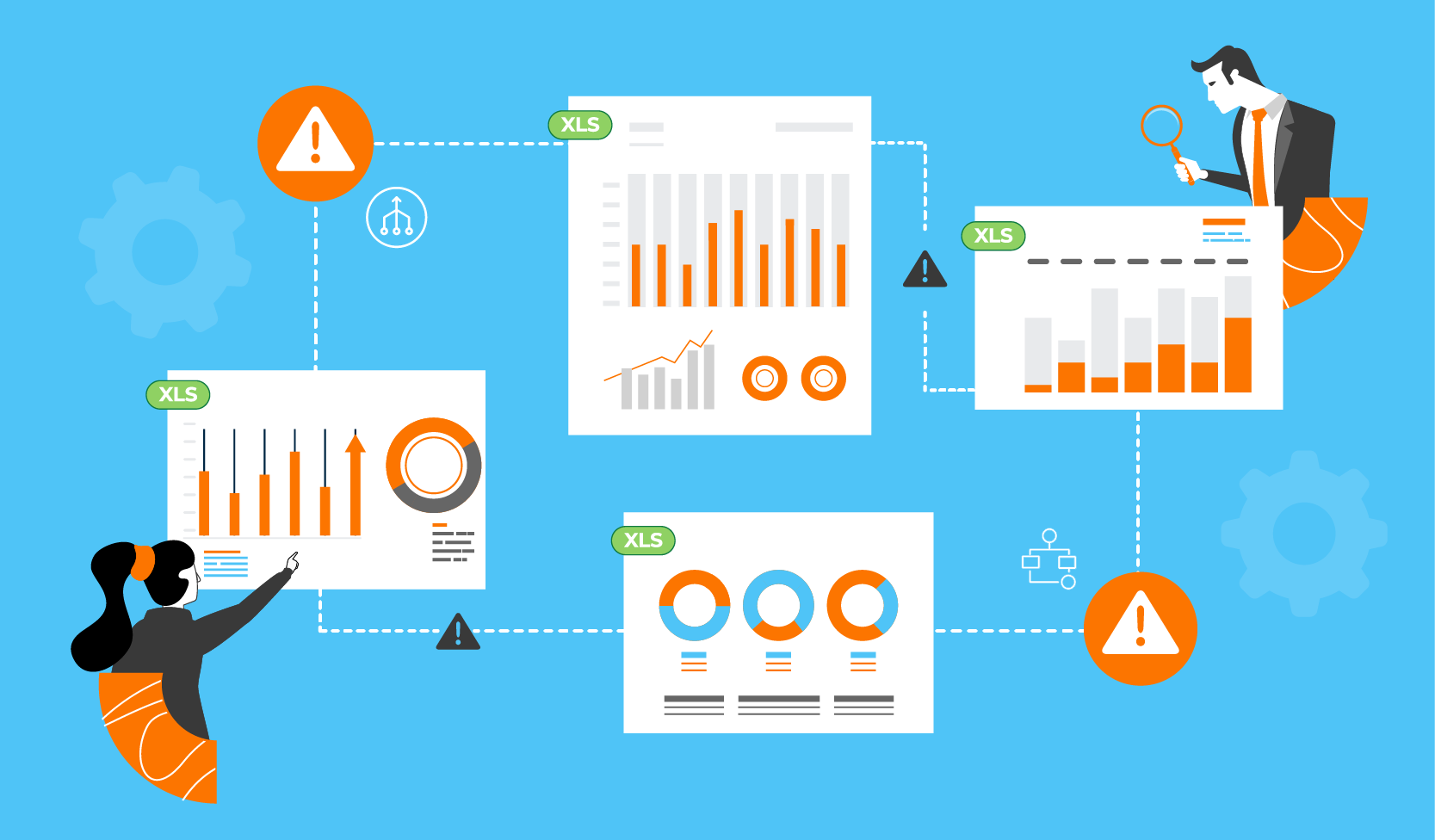
Yet, despite their incredible potential, many businesses still rely on fragmented systems, spreadsheets, and manual reporting, leading to inefficiencies, miscommunication, and missed opportunities. This blog explores why centralized dashboards are critical for modern organizations, how they streamline operations, and how Clousys’ intelligent dashboard solutions can transform the way businesses function.
The Problem: Data Overload and Disconnected Systems
Most businesses face two major challenges when it comes to managing their data:
1. Too Many Tools, Not Enough Clarity
Companies use various software solutions for different business functions—HRMS for workforce management, ATS for recruitment, CRM for sales tracking, project management software, and financial reporting software. Each system operates in isolation, forcing teams to manually compile reports or switch between platforms to access critical data.
2. Delayed Decision-Making
Without real-time insights, leaders struggle to make informed decisions. By the time reports are generated, the data is often outdated, incomplete, or inconsistent—leading to reactionary strategies instead of proactive decision-making.
The Consequences of Data Silos:
? Poor Visibility: Leaders lack a clear overview of business performance.
? Reduced Productivity: Employees waste time searching for data across multiple systems.
? Missed Opportunities: Slow decision-making results in lost revenue and inefficiencies.
? Higher Operational Costs: Redundant efforts and manual reporting increase overhead costs.
So, how can businesses overcome these challenges? The answer lies in centralized dashboards.
How Centralized Dashboards Drive Business Efficiency
A centralized dashboard consolidates data from various sources into one unified interface, providing a real-time snapshot of key business metrics. This eliminates silos, enhances collaboration, and enables faster decision-making.
1. Real-Time Insights for Smarter Decisions
Gone are the days of waiting for weekly or monthly reports. With a centralized dashboard, leaders have instant access to live data, allowing them to identify trends, detect issues, and make informed decisions on the spot.
? Example: A company can track real-time sales performance and adjust strategies to meet revenue targets before the end of the quarter.
2. Increased Productivity & Reduced Workload
By eliminating the need for manual report compilation, employees save hours of work each week. Automated data syncing ensures accuracy, reduces redundancies, and allows teams to focus on high-value tasks instead of administrative work.
? Example: HR teams no longer need to compile employee performance data from multiple sources; a centralized HRMS dashboard offers a complete view of attendance, productivity, and engagement.
3. Seamless Cross-Team Collaboration
Departments no longer operate in isolation. With a unified dashboard, marketing, sales, HR, and finance teams can access the same real-time data, fostering better communication and collaboration.
? Example: The HR team can align recruitment needs with upcoming project demands by tracking hiring trends and workforce planning in one dashboard.
4. Predictive Analytics & Proactive Problem Solving
AI-powered dashboards go beyond reporting—they provide predictive insights, helping organizations anticipate risks, identify patterns, and optimize future strategies.
? Example: A project management dashboard can predict bottlenecks based on task completion rates and resource availability, allowing managers to adjust schedules proactively.
5. Cost Savings & Operational Efficiency
Reducing inefficiencies leads to lower operational costs. A centralized dashboard removes the need for multiple software subscriptions, reduces manual reporting efforts, and prevents costly errors caused by inconsistent data.
? Example: Instead of paying for multiple disconnected tools, businesses can integrate all core functionalities into a single, centralized platform.
Clousys: The Future of Centralized Dashboards
While centralized dashboards are a game-changer, not all dashboards are created equal. Many are complex, difficult to use, or lack integration capabilities. That’s where Clousys’ smart dashboards stand out.
Why Clousys Dashboards?